







New

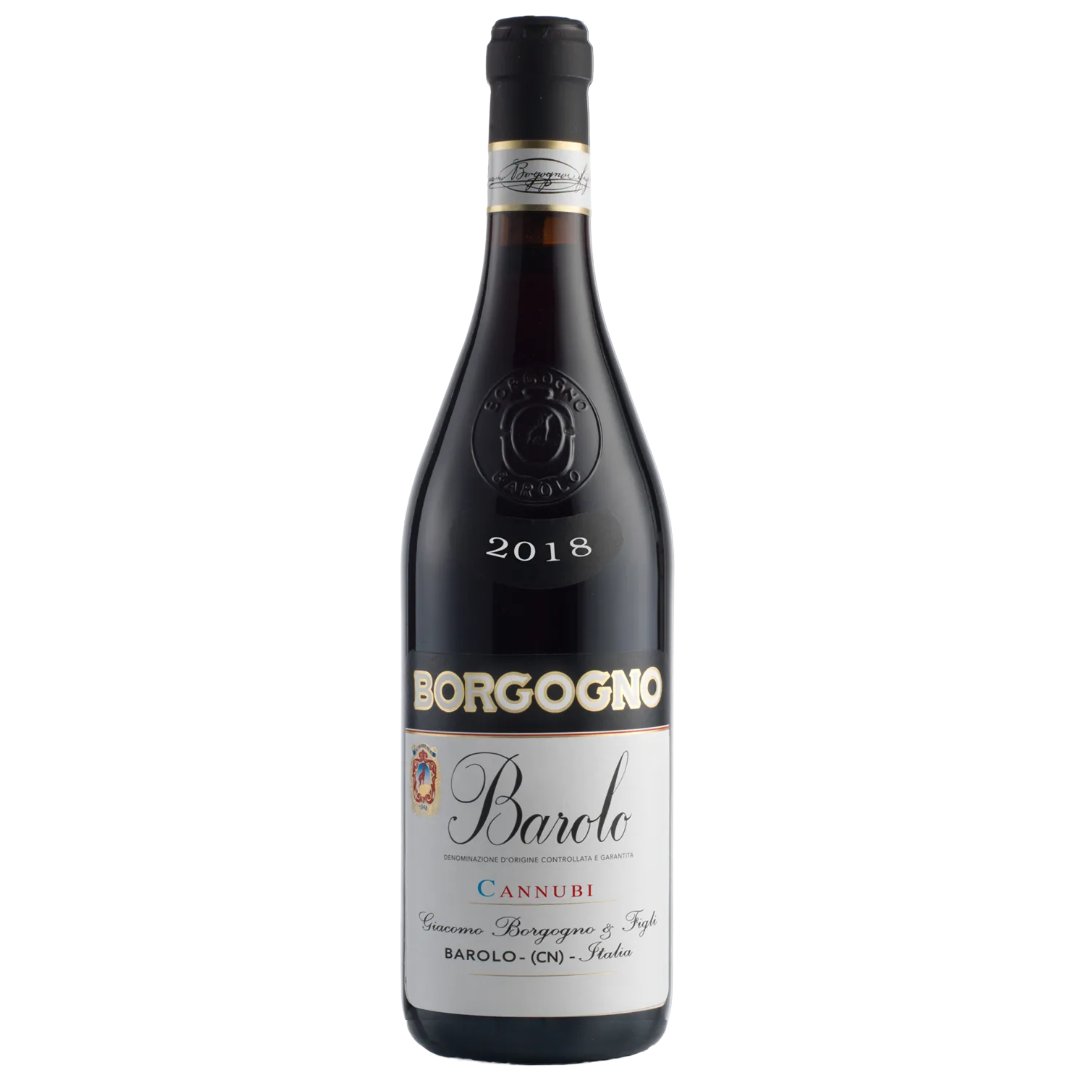
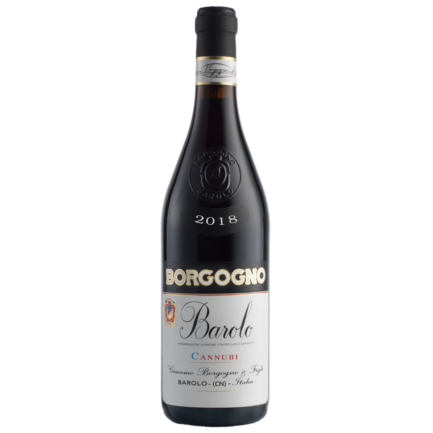
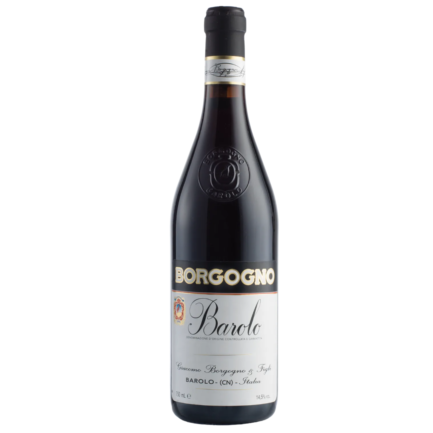
Barolo Cannubi DOCG 2021, Borgogno
£ 168.95
In stock
Details
ColourRed
BlendNebbiolo
Vintage2021
RegionBarolo
CountryItaly
SustainabilityCertified Organic
Tasting Notes
Intense ruby red. On the nose, floral notes such as violet and fresh red fruits reminiscent of strawberry, with a hint of spice. On the palate, a soft, enveloping taste, balanced by a pleasant acidity and warmth. Silky tannins. A wine that encapsulates all the elegance of Cannubi.
The Producer
Established in 1761 by a local farmer, Bartolomeo Borgogno, Giacomo Borgogno & Figli is the most historic winery in Barolo. Situated in the heart of the UNESCO World Heritage Langa Hills, the estate has spent over two and a half centuries anchoring the winemaking timeline of Piedmont. Its wines have graced benchmark historical milestones, even serving as the official celebratory toast during the Unification of Italy in 1861.
The estate’s modern philosophy was fundamentally shaped in 1920 when Cesare Borgogno assumed control. In a revolutionary move that came to define the house style, Cesare began intentionally cellaring half of the production of Barolo Riserva, making it available to the market only after twenty years of maturation. This intuition built an incomparable library of perfectly aged historic vintages and laid the groundwork for the individual vinification of the region’s most iconic single-vineyard crus.
Today, the family estate covers 60 hectares of land, strictly prioritising low-intervention techniques in the cellar alongside meticulous organic viticulture in the fields. Under the leadership of Andrea Farinetti, the quality of Borgogno’s wines has improved immensely, bringing fresh energy and ambition to one of Piedmont’s most storied estates while remaining true to its deep-rooted traditions.
Vinification
After harvest in the Cannubi vineyard, characterised by a uniquely complex terroir composed of sand, calcareous clay marl, and a predominant portion of silt, the grapes are destemmed and crushed in the cellar. Spontaneous fermentation follows in large concrete tanks at a temperature between 22°C and 28°C for approximately 15 days. This is followed by a submerged cap maceration, also in concrete, for 20 days, during which malolactic fermentation occurs.
However, 20% of the total volume follows a different process to enhance the breadth and full-bodied character imparted by the particularly silt-rich soil: whole-cluster fermentation. The key feature is that the inclusion of whole-clusters contains stems, which contribute freshness.
The portion that underwent whole-cluster fermentation is then blended with the traditionally fermented portion for ageing, which lasts 2 years and 8 months in large Slavonian oak casks. This is followed by a period in concrete tanks before bottling.
Related products
-

Montepulciano d’Abruzzo DOC 2023, Colle Corviano
£ 14.50 -

Remelluri Reserva 2014/15, DOCa Rioja
£ 38.95 -
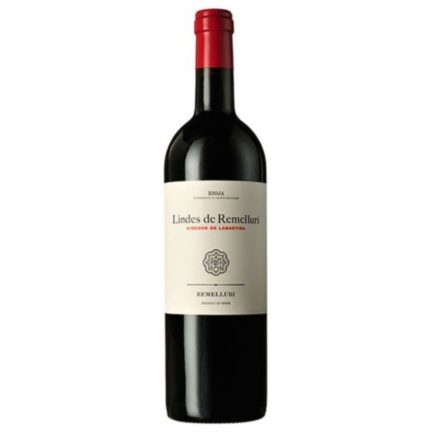
Lindes de Remelluri 2018 ‘Viñedos de San Vicente’, DOCa Rioja
£ 27.95 -

Pinot Noir Reserve 2022, Oliver Zeter, Pfalz
£ 32.50 -
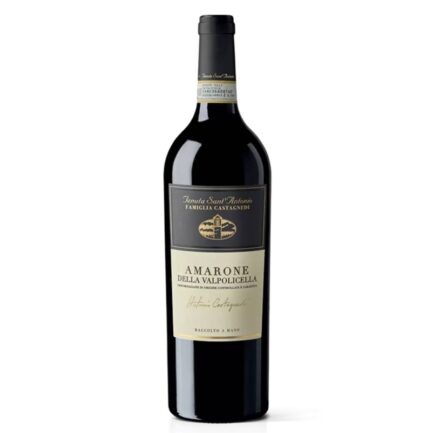
Selezione Antonio Castagnedi Amarone della Valpolicella DOCG 2019, Tenuta Sant’ Antonio
£ 43.95
